▲
3
▼
When Donkey Kong became popular, Nintendo was sued by American film company Universal Studios over allegations that Donkey Kong was plagiarizing their 1933 film King Kong. Lawyer John Kirby, defending Nintendo, pointed out that Universal was aware of and had previously argued in court that the story of King Kong was in the public domain due to the film's novelization, which came out before the film and marked the first non-promotional appearance of the character, failing to have a protected trademark in the first place. As a result, Universal lost the case. Nintendo lavishly awarded Kirby by taking him, his wife and some associates to dinner at a fancy Manhattan restaurant, giving him a sailboat named "Donkey Kong" and the exclusive rights to the name Donkey Kong for sailboats as a strange show of gratitude. Nintendo would later go on to collaborate with Universal to create Donkey Kong attractions at Universal Destinations & Experiences theme parks, with Shigeru Miyamoto stating: "The world really does work in mysterious ways."
In a 2011 interview with Game Informer, Miyamoto stated that "Kirby" was one of many candidates on a list of names that were proposed for the then-in development video game character, and upon seeing it, he recalled John Kirby and felt that a connection between the two would be amusing. However, the name was picked not as a tribute to the lawyer, but rather because the harsh-sounding nature of the name was a comedic contrast to the character's soft, cute design.
In a 2011 interview with Game Informer, Miyamoto stated that "Kirby" was one of many candidates on a list of names that were proposed for the then-in development video game character, and upon seeing it, he recalled John Kirby and felt that a connection between the two would be amusing. However, the name was picked not as a tribute to the lawyer, but rather because the harsh-sounding nature of the name was a comedic contrast to the character's soft, cute design.
Original DidYouKnowGaming blog post:
http://didyouknowgaming.com/post/32069456462/donkey-kong
2011 Game Informer interview mentioning Kirby's name origin:
https://www.gameinformer.com/b/features/archive/2011/06/17/miyamoto-wii-amp-wii-u-are-colored-white-for-all-ages-appeal.aspx
Legal files:
https://law.justia.com/cases/federal/district-courts/FSupp/615/838/1515073/
David Sheff - "Game Over: Press Start to Continue: The Maturing of Mario" (1999). Wilton, Connecticut: GamePress. (pages 123 & 126 in the book):
https://archive.org/details/0966961706/page/26/mode/1up
GoNintendo article:
https://gonintendo.com/contents/48807-miyamoto-talks-super-nintendo-world-s-design-and-appeal
▲
3
▼
Before Universal Pictures was alerted to Nintendo's Donkey Kong, leading to the very well-known lawsuit that Nintendo won, Universal licensed out the rights to the 1933 film King Kong to Tiger Electronics for a handheld LCD game, with Tiger's higher-ups being under the assumption that Donkey Kong was a licensed spin-off and not a derivative work. When the lawsuit began, Universal reworked their license with Tiger to be non-exclusive, demanded changes to Tiger's King Kong game to work less like Donkey Kong, and began releasing King Kong games on other platforms such as the Atari 2600. This was not done for monetary gain, but to try and prove that Donkey Kong's use of similar concepts was damaging their products. When Universal lost the suit, Nintendo opted to claim the royalties that Universal felt it was owed instead of claiming damages from Tiger, a move which could have been potentially lethal for Tiger.
▲
3
▼
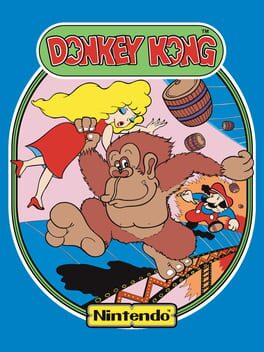
According to director Shigeru Miyamoto in 1994, Donkey Kong never had a romantic interest in Pauline, and Mario and Donkey Kong are not enemies in the game. Donkey Kong was kept as a pet by Mario, and he decided to annoy Mario for the sake of it by kidnapping Pauline. Miyamoto intended for the game's ending (where Donkey Kong falls and bonks his head) to appear non-violent, more akin to "outwitting a prankster" rather than killing him. Meanwhile, Pauline is described by programmer Masayuki Kameyama as Mario's "ex", saying "after Mario became famous, he probably gave Pauline the flick" in favor of Princess Peach.
▲
5
▼
In a 1984 commercial promoting Donkey Kong-brand cereal, Mario can be heard with a distinctly Italian accent, even saying what would become one of Mario's catchphrases "Here We Go". This predates Charles Martinet portraying Mario with an Italian accent by 7 years.
| keyboard_double_arrow_left keyboard_arrow_left | Page 2 of 2 | keyboard_arrow_right keyboard_double_arrow_right |
Related Games
Donkey Kong
Donkey Kong: Original Edition
Crazy Kong
Mario vs. Donkey Kong
Donkey Kong: Coconut Crackers
Donkey Kong
Donkey Kong
Donkey Kong 3
Donkey Kong
Super Donkey
Donkey Kong no Ongaku Asobi
Mario Bros.
Donkey Kong Country
Green House
Mario Bros.
Donkey Kong 3: Dai Gyakushuu
Donkey Kong 3
Donkey Kong Circus
Donkey Kong Bananza
Donkey Kong Junior
Super Mario Party
Luigi's Mansion: Dark Moon
Mario & Luigi: Partners in Time
NBA Street V3
Mario's Early Years! Fun with Letters
New Super Mario Bros. U
Super Mario Maker
Mario Hoops 3-on-3
Mario Paint
Mario Kart: Super Circuit
Mario Party 5
Balloon Trip
Mario Golf: Toadstool Tour
Mario Superstar Baseball
Super NES Classic Edition
Mario Kart DS
Nintendo World Championships 1990
Mario & Sonic at the Olympic Winter Games
Donkey Kong Country 2: Diddy's Kong Quest
Mario & Luigi: Bowser's Inside Story + Bowser Jr.'s Journey
Super Mario Galaxy 2
Mario & Sonic at the Olympic Games Tokyo 2020
Skylanders: SuperChargers Racing
Mario Artist: Paint Studio
Mario Party: Fushigi no Challenge World
Paper Mario
Mario vs. Donkey Kong: Mini-Land Mayhem!
Donkey Kong Land 2
Donkey Kong Country
Donkey Kong Country Returns