▲
1
▼
According to game's director Yasumi Matsuno in a 1995 Dengeki SFC magazine interview, it took the developers two and a half years (including several delays) to make the game, and by the end expressed that he was extremely tired from its development.
▲
1
▼
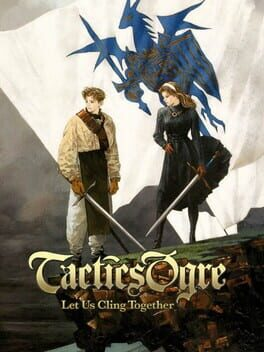
In a 1995 interview with the game's director Yasumi Matsuno, found within the Dengeki SFC magazine, he clarified that the game was a part of the Ogre Battle series, but it was not a direct sequel to Ogre Battle: The March of the Black Queen. The games' world and environments are shared, but the gameplay systems are completely dissimilar. When asked why the gameplay system was changed, he responded:
"First off, after we finished the Ogre Battle development, we determined that doing another 3D real-time simulation game for the Super Famicom was going to be difficult. There is a special chip now for the SFC that offers more possibilities, but it’s also very expensive to use [this could be referring to the Super FX chip]. Therefore, we abandoned the idea of doing another, powered-up version of Ogre Battle, and instead decided to develop a brand new system."
"Another reason was that we actually started the planning for Tactics Ogre three months before the release of Ogre Battle. To decide on a direct sequel then would have been pointless if Ogre Battle didn’t sell well, and we didn’t have any confidence that it would. Ultimately it was very popular, so we carried over just the world and setting."
"Also, in Ogre Battle the units moved in real-time, which meant you couldn’t take your time and plan out a strategy. For us, this was a big point we wanted to improve on. From the beginning of the Tactics Ogre development, therefore, we never saw real-time as an option."
"First off, after we finished the Ogre Battle development, we determined that doing another 3D real-time simulation game for the Super Famicom was going to be difficult. There is a special chip now for the SFC that offers more possibilities, but it’s also very expensive to use [this could be referring to the Super FX chip]. Therefore, we abandoned the idea of doing another, powered-up version of Ogre Battle, and instead decided to develop a brand new system."
"Another reason was that we actually started the planning for Tactics Ogre three months before the release of Ogre Battle. To decide on a direct sequel then would have been pointless if Ogre Battle didn’t sell well, and we didn’t have any confidence that it would. Ultimately it was very popular, so we carried over just the world and setting."
"Also, in Ogre Battle the units moved in real-time, which meant you couldn’t take your time and plan out a strategy. For us, this was a big point we wanted to improve on. From the beginning of the Tactics Ogre development, therefore, we never saw real-time as an option."
subdirectory_arrow_right Ogre Battle: The March of the Black Queen (Game), Tactics Ogre: Let Us Cling Together (Game), Ogre Battle (Collection)
▲
2
▼
The series takes several naming cues from the English glam rock band Queen, who are highly popular in Japan. The name of the series itself, Ogre Battle, comes from a song off of Queen's 1974 sophomore album Queen II; another song on the album, "The March of the Black Queen", is the namesake for the series' first installment. The second game, Tactics Ogre: Let Us Cling Together, takes its name from Queen's 1976 song "Teo Torriatte (Let Us Cling Together)", an homage to their Japanese fanbase.
Another Queen reference in The March of the Black Queen can be found with one of its regions, the Rhyan Sea. The area's name comes from "Seven Seas of Rhye", a song which appears in an unfinished instrumental form on Queen's 1973 self-titled debut and was later completed with vocals on Queen II.
Another Queen reference in The March of the Black Queen can be found with one of its regions, the Rhyan Sea. The area's name comes from "Seven Seas of Rhye", a song which appears in an unfinished instrumental form on Queen's 1973 self-titled debut and was later completed with vocals on Queen II.
Related Games
Ogre Battle 64: Person of Lordly Caliber
Tactics Ogre: Let Us Cling Together
Ogre Battle: The March of the Black Queen
Persona 4 Golden
Gex
Trials of Mana
Shin Megami Tensei: Persona 2 - Innocent Sin
Hitman
Overwatch
Gouketsuji Ichizoku Matsuri Senzo Kuyou
Hanjuku Hero 4: 7-nin no Hanjuku Hero
Shin Megami Tensei III: Nocturne Maniax Chronicle Edition
Shin Megami Tensei: Digital Devil Saga
Final Fantasy V
Final Fantasy XIII-2
Secret of Mana
Deus Ex: Mankind Divided
Shin Megami Tensei IV
Kwirk
Life is Strange: Double Exposure
Game of Thrones
Chrono Cross
Gunbird
Call of Duty: Advanced Warfare
Dissidia Final Fantasy NT
Diablo III
Front Mission 2
Chrono Trigger
Kingdom Hearts HD 1.5 Remix
Final Fantasy IV
Devil Summoner: Soul Hackers
Tobal No. 1
Final Fantasy III
Persona Q: Shadow of the Labyrinth
Deus Ex
Metaphor: ReFantazio
Valkyrie Profile 2: Silmeria
Pandemonium 2
NieR: Automata
Final Fantasy X/X-2 HD Remaster
Trauma Center: Second Opinion
Shin Megami Tensei Devil Summoner: Raidou Kuzunoha vs. The Soulless Army
Stranger of Paradise: Final Fantasy Origin
Sleeping Dogs
Shin Megami Tensei: Persona
Demon's Souls
Dragon Quest Heroes: Rocket Slime
Dissidia 012 Final Fantasy
Persona 4 Arena
Mobius Final Fantasy