▲
1
▼
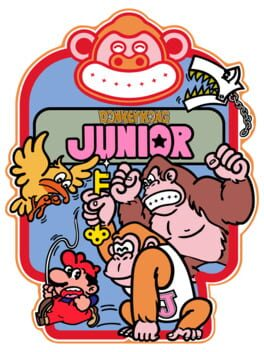
This game marks Mario's only appearance as the bad guy in a Nintendo game. Shigeru Miyamoto did this to show shades of grey in Mario and Donkey Kong, and also that not everything is as it seems.
subdirectory_arrow_right Donkey Kong (Game)
▲
2
▼
The development of the first Donkey Kong game was outsourced by Nintendo to Ikegami Tsushinki, a company who is believed but not confirmed to have previously worked with Nintendo on several of their early ventures into arcade games. They produced and sold to Nintendo somewhere between 8,000 and 20,000 printed circuit boards for Donkey Kong, and it is believed that Nintendo went on to copy an additional 80,000 boards from this batch without Ikegami's permission. Despite the sale, no formal contract was known to have been signed between the two companies, meaning Ikegami owned the source code to Donkey Kong as they had created it and never sent it over to Nintendo.
In order to create a sequel on the coattails of the success of the first game, Nintendo employed subcontractor Iwasaki Giken to reverse-engineer Donkey Kong so Nintendo’s staff could develop the game's sequel, Donkey Kong Jr. Should this narrative be verifiably true, this would make Donkey Kong Jr. Nintendo's first "in-house" video game created by themselves without any assistance from outside development companies. Ikegami viewed this use of the source code as blatant copyright infringement, and sued Nintendo in 1983 for ¥580,000,000 (around $91,935,800). A trial in 1990 ruled that Nintendo did not own the source code to the original Donkey Kong, and the parties settled out of court that year for an undisclosed amount.
In order to create a sequel on the coattails of the success of the first game, Nintendo employed subcontractor Iwasaki Giken to reverse-engineer Donkey Kong so Nintendo’s staff could develop the game's sequel, Donkey Kong Jr. Should this narrative be verifiably true, this would make Donkey Kong Jr. Nintendo's first "in-house" video game created by themselves without any assistance from outside development companies. Ikegami viewed this use of the source code as blatant copyright infringement, and sued Nintendo in 1983 for ¥580,000,000 (around $91,935,800). A trial in 1990 ruled that Nintendo did not own the source code to the original Donkey Kong, and the parties settled out of court that year for an undisclosed amount.
Related Games
Green House
Donkey Kong no Ongaku Asobi
Donkey Kong: Coconut Crackers
Donkey Kong Bananza
Donkey Kong
Donkey Kong
Donkey Kong Country
Donkey Kong
Mario Bros.
Donkey Kong 3
Super Donkey
Mario vs. Donkey Kong
Crazy Kong
Donkey Kong 3: Dai Gyakushuu
Donkey Kong: Original Edition
Donkey Kong
Donkey Kong 3
Donkey Kong
Mario Bros.
Donkey Kong Circus
Super Smash Bros. for Wii U
Skylanders: SuperChargers Racing
Mario 128
Mario & Luigi: Superstar Saga + Bowser's Minions
Donkey Kong Country Returns HD
Mario Sports Superstars
Mario Kart Arcade GP
Super Mario Bros. 3
Super Mario Land
Wario's Woods
Game & Watch: Super Mario Bros.
Diddy Kong Racing DS
Amiibo Tap: Nintendo's Greatest Bits
Super Mario Galaxy 2
Mario Kart Tour
BS Super Mario Collection
Donkey Kong Country 3: Dixie Kong's Double Trouble!
Super Mario Galaxy 2
Dr. Mario
Super Mario 3D World
New Super Mario Bros. 2
Mario Tennis
Mario Party 4
Donkey Kong Country Returns
Mario Artist: Paint Studio
Donkey Kong GB: Dinky Kong & Dixie Kong
Donkey Kong Barrel Blast
All Night Nippon Super Mario Bros.
Hotel Mario
Donkey Kong Country Returns 3D