▲
1
▼
 The game has a hidden, blackened room filled with candles and the ghost of a young boy in a baby's crib. The boy doesn't seem to acknowledge that the player is there, and blankly stares into space the whole time.
▲
1
▼
In the mission: "Come out Fighting", if the player jumps on the wire barricade connected to the second house then walks to the wall, they will be able to pass through the wall and see a secret room where they'll be able to see a UFO.
▲
1
▼
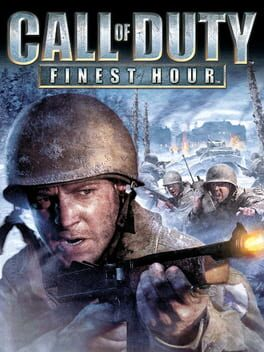
The development of Call of Duty: Finest Hour was hindered by mismanagement, technical problems, and three legal disputes. Developer Spark Unlimited's founders had previously worked on the Medal of Honor series and recruited a number of developers who worked on Medal of Honor: Frontline while they were still earning paychecks from Electronic Arts. EA sued the company for this, and also accused them of copying proprietary development resources. The two parties settled, forcing Activision to pay $850,000 in legal bills before development even began.
Although Activision advised against it, Spark Unlimited chose to build the game using the RenderWare engine, which did not work well with their custom object database and caused the game to frequently slow down and crash, while inadequate development tools made debugging and fixing problems more challenging. There was also a major difference between their approaches to game development. Spark Unlimited preferred to concentrate on building the levels first and leave technical polish until later, whereas Activision wanted the core game to be polished much earlier in production and would potentially ask for features not originally negotiated in their contract, in particular the game's multiplayer mode. This caused Spark Unlimited to repeatedly miss development milestones and go overbudget, forcing Activision to bring in a team of its own engineers and outsource work to contract developers, including work on the Xbox and Nintendo GameCube ports. A second lawsuit occurred when Spark Unlimited's chief technical officer Adrian Jones resigned during development in 2004.
Despite the game's financial success, Activision had lost confidence in Spark Unlimited's management and their pitch for a sequel, and ended its contract with them. This led to a third legal dispute in 2005 when both companies sued each other, with Spark Unlimited accusing Activision of unpaid royalties and Activision accusing Spark Unlimited of misleading them. This case was also settled out of court.
Although Activision advised against it, Spark Unlimited chose to build the game using the RenderWare engine, which did not work well with their custom object database and caused the game to frequently slow down and crash, while inadequate development tools made debugging and fixing problems more challenging. There was also a major difference between their approaches to game development. Spark Unlimited preferred to concentrate on building the levels first and leave technical polish until later, whereas Activision wanted the core game to be polished much earlier in production and would potentially ask for features not originally negotiated in their contract, in particular the game's multiplayer mode. This caused Spark Unlimited to repeatedly miss development milestones and go overbudget, forcing Activision to bring in a team of its own engineers and outsource work to contract developers, including work on the Xbox and Nintendo GameCube ports. A second lawsuit occurred when Spark Unlimited's chief technical officer Adrian Jones resigned during development in 2004.
Despite the game's financial success, Activision had lost confidence in Spark Unlimited's management and their pitch for a sequel, and ended its contract with them. This led to a third legal dispute in 2005 when both companies sued each other, with Spark Unlimited accusing Activision of unpaid royalties and Activision accusing Spark Unlimited of misleading them. This case was also settled out of court.
Game Developer articles:
https://www.gamedeveloper.com/business/-i-call-of-duty-finest-hour-i---the-contract
https://www.gamedeveloper.com/business/-i-call-of-duty-i-the-lawsuit
Los Angeles Business Journal articles:
https://labusinessjournal.com/news/video-game-sector-enters-lawsuit-age/
https://labusinessjournal.com/news/activision-fires-back-in-real-world-shootout-over/
Attorney Suann MacIsaac legal portfolio:
https://web.archive.org/web/20260516195245/https://khiks.com/our-attorneys/suann-macisaac/#experience
https://www.gamedeveloper.com/business/-i-call-of-duty-finest-hour-i---the-contract
https://www.gamedeveloper.com/business/-i-call-of-duty-i-the-lawsuit
Los Angeles Business Journal articles:
https://labusinessjournal.com/news/video-game-sector-enters-lawsuit-age/
https://labusinessjournal.com/news/activision-fires-back-in-real-world-shootout-over/
Attorney Suann MacIsaac legal portfolio:
https://web.archive.org/web/20260516195245/https://khiks.com/our-attorneys/suann-macisaac/#experience
Related Games
Call of Duty: Modern Warfare - Reflex Edition
Call of Duty 3
Call of Duty: Black Ops
Call of Duty: Ghosts
Call of Duty: Advanced Warfare
Call of Duty: Modern Warfare 3
Call of Duty: Modern Warfare
Call of Duty: Modern Warfare 2
Call of Duty: Black Ops II
Call of Duty: Modern Warfare III
Call of Duty: Black Ops III
Call of Duty: World at War
Call of Duty 4: Modern Warfare
Call of Duty 4: Modern Warfare
Call of Duty
The King of Dragons
Phoenix Wright: Ace Attorney - Trials and Tribulations
Toki Tori
Resident Evil: Dead Aim
King's Quest VI: Heir Today, Gone Tomorrow
Strider 2
Marvel: Ultimate Alliance
Resident Evil Portable
Mega Man Anniversary Collection
Bee Movie Game
Street Fighter X Tekken
Resident Evil 3: Nemesis
Mega Man X3
Apollo Justice: Ace Attorney
The Curse of Monkey Island
Super Gem Fighter Mini Mix
Flock!
Super Puzzle Fighter II Turbo
Dead Rising 2
Ghostbusters II
Ghouls 'n Ghosts
Bionic Commando
Mega Man X3
Dead Rising: Chop Till You Drop
Shantae
iCarly 2: iJoin the Click
Professor Layton vs. Phoenix Wright: Ace Attorney
Onimusha 2: Samurai's Destiny
Mega Man X4
Street Fighter 30th Anniversary Collection
Turning Point: Fall of Liberty
Wreck-It Ralph
Dimahoo
Sengoku Basara 4
Onimusha: Dawn of Dreams